

South Africa’s policy-driven internationalisation is striving to strike a balance between global excellence and equality at home

In South Africa, higher education internationalisation is strongly shaped by a national policy framework that aims to strengthen system-wide capacity, address historical imbalances, and connect higher education to global knowledge networks. In recent years, the country has also placed increasing emphasis on targeted bilateral collaboration platforms and has expressed a wish to establish one with Finland.
UK policies shaping the international education sector – the urgent need to adapt

The status of international students and academia in the UK universities has long been shaped by shifting political landscapes. I myself am familiar with having to navigate the changing regulations of each UK Government. I started my bachelor’s degree in Scotland in 2019 during the uncertain transition to Brexit. The strategic timing offered opportunities that were missed by those arriving few years later. The same questions circulating then are back on the table; what do international students, research and academia look like in the UK? Who can access the opportunities and on what grounds? This article offers an overview of the current political climate and what it means in practice for international students and academia in general. It also tentatively discusses the future trends and where UK may be headed.
Brazil’s Evolving Role in Global Science: Partnerships, Priorities, and New Directions
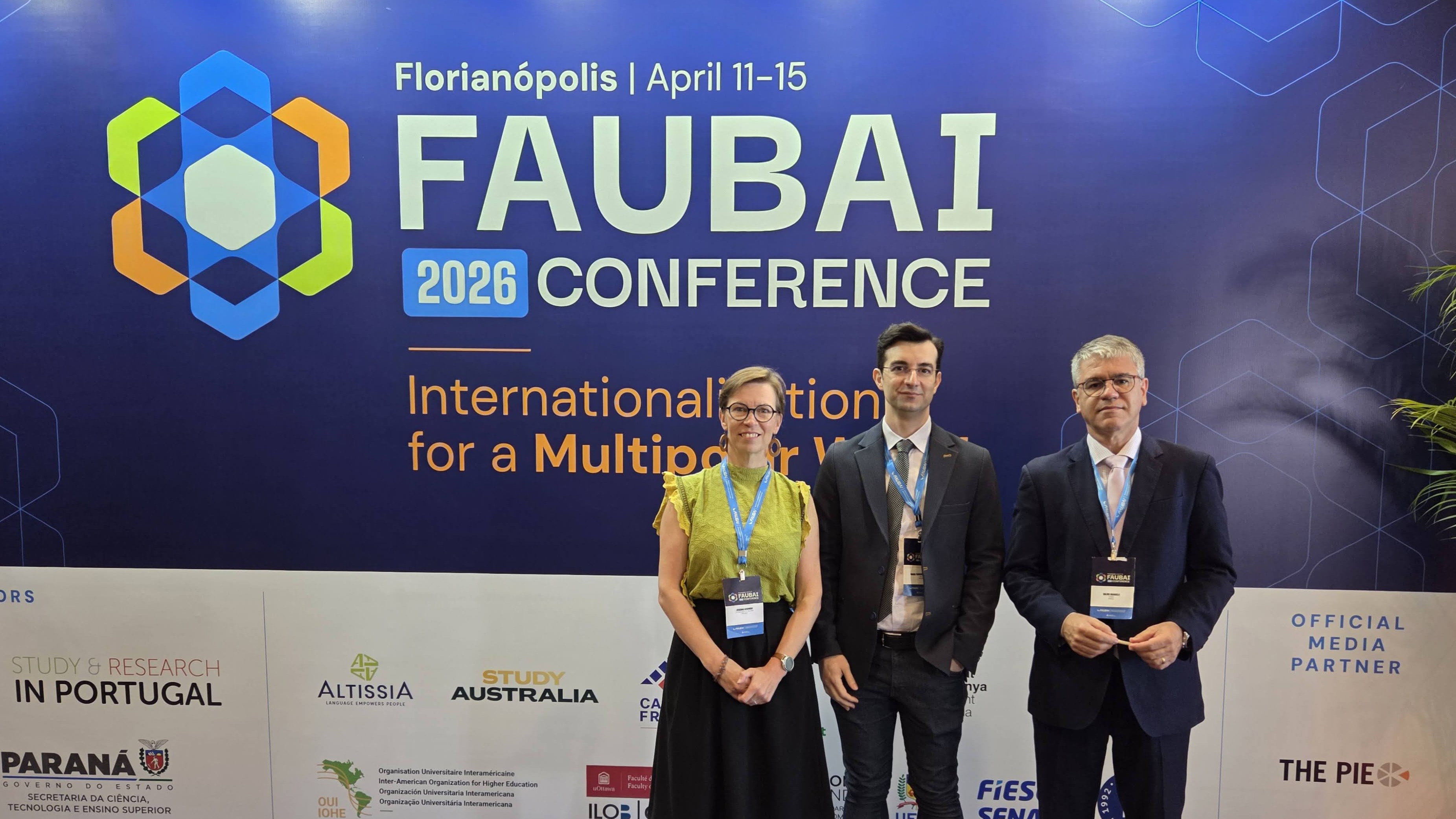
Brazil is seeking to strengthen its global role and competitiveness. Brazil's international research cooperation has traditionally been concentrated in the United States and Europe, but efforts are being made to diversify the geographical and thematic focus in order to increase balance, visibility and autonomy. More balanced internationalization is also promoted in higher education, where initiatives aim to support less internationalized Brazilian universities and to attract international students and researchers. Brazil is advancing its international higher education, research and innovation amid geopolitical pressures navigating opportunities offered by the EU, North America and the BRICS countries.
India is Building a Global Knowledge Power

As India advances its ambition to become a global superpower, internationalization has become an important cornerstone of its strategy—particularly in science, higher education, and innovation. No longer defined only by its role as a major exporter of talent, India is increasingly positioning itself as a destination for global knowledge, partnerships, and investment. Supported by a powerful diaspora, expanding geopolitical alliances, and ambitious policy reforms, the country is seeking not just to participate in global systems, but to shape them—emerging as a central hub in the world’s evolving knowledge and innovation landscape.
The Cross-Pressures of the Internationalization of Chinese Higher Education
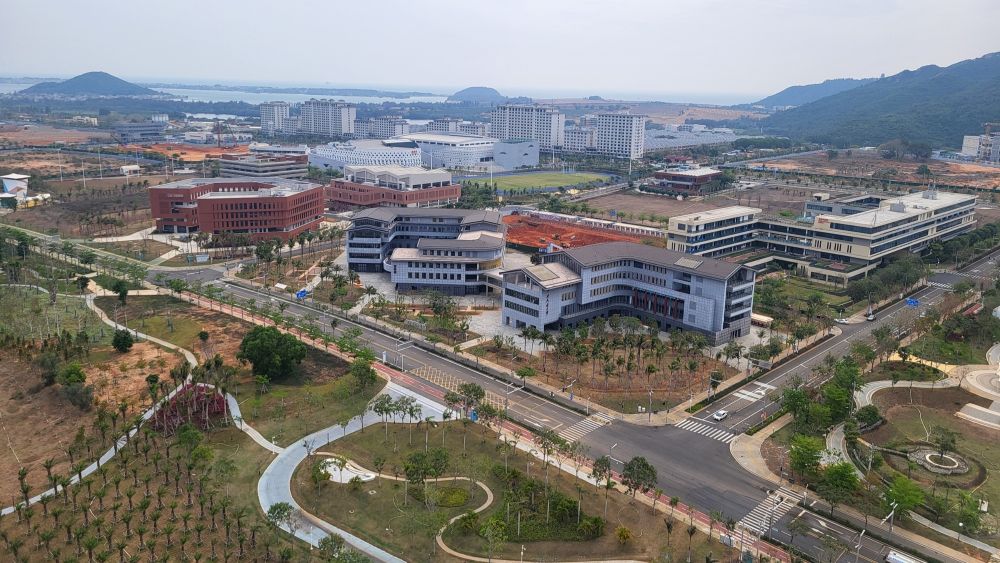
The internationalization of Chinese higher education is closely linked to the country’s economic, scientific, and foreign policy objectives, as well as its ambition to become a global superpower in education and technology. Internationalization is directed centrally by the party-state and implemented through multiple ministries, regional administrative actors, and higher education institutions together with their Communist Party organizations. These efforts are characterized by a constant balancing act between international openness and party-state control. In practice, China systematically seeks to attract top foreign talent and leading universities to the country, while also strengthening its own institutional presence abroad through branch campuses and similar initiatives. However, China’s attractiveness as a higher education partner still remains overshadowed by Western higher education systems due to language barriers, geopolitical tensions, and concerns related to research security.
Canada is reassessing its global role and partnerships across multiple sectors

Shifting global powers have forced Canada to recalibrate its federal, trade, and scientific relations with many countries. Canada’s global engagement plan for 2026 thus focuses on strengthening strategic partnerships with trusted allies. Within the scope of its current internationalization strategy, Canada is protecting its domestic and economic interests as well as security. The aim is also to secure the pool of talent to ensure availability of workforce in critical fields and for that the country has made significant investments. Talent attraction must, however, balance with the managed immigration. Immigration issues and restrictions on visas for international students have lately caused severe problems for Canadian higher education institutions, which are now adopting new ways to diversify their international activities.
Singapore astelee etukenossa kvanttiaikaan

Singaporessa kvanttiteknologiaan valmistautuminen on monilla yhteiskunnan sektoreilla jo käynnissä. Tämä näkyy erityisesti rahoitusalalla, joka toimii kansantalouden ajurina ja joka sen vuoksi valmistautuu kvanttiaikaan etukenossa. Satsaukset kvanttiteknologiaan ovat määrätietoisia ja priorisointi perustuu realistiseen arvioon yhtä lailla kyvykkyyksistä kuin haasteistakin. Materiaalitieteissä Singaporesta on tullut globaali edelläkävijä ja odotettavissa on läpimurtoja. Olennainen osa Singaporen kvanttistrategiaa on kumppanuuksien ja ekosysteemien rakentaminen, ja siinä Euroopalla on kasvava rooli.
Rakenteelliset tekijät vaikuttimina Kiinan deep tech -osaamisen taustalla
Lukijoille tarjotaan usein itseään toistavia ja raskaita numeraalisia kuvauksia Kiinan tiede- ja teknologiapolitiikan noususta. Myönnän itsekin syyllistyneeni monesti tähän syntiin. Näilläkin kuvailuilla on tarpeensa, mutta yksinomaan niiden kautta ei tavoiteta ilmiön taustalla olevia rakenteellisia tekijöitä. Tässä tekstissä tarkastellaan, miksi Kiinan voimistuvaa asemaa deep tech -sektorilla ei voi ymmärtää irrallisten esimerkkien ja numeroiden tai yksittäisten politiikkatoimien kautta, vaan kuinka se kytkeytyy laajempiin järjestelmätason ominaisuuksiin. Analyysi jakautuu kolmeen keskeiseen tekijään: poliittiseen järjestelmään, demografiaan ja kulttuurisiin piirteisiin.