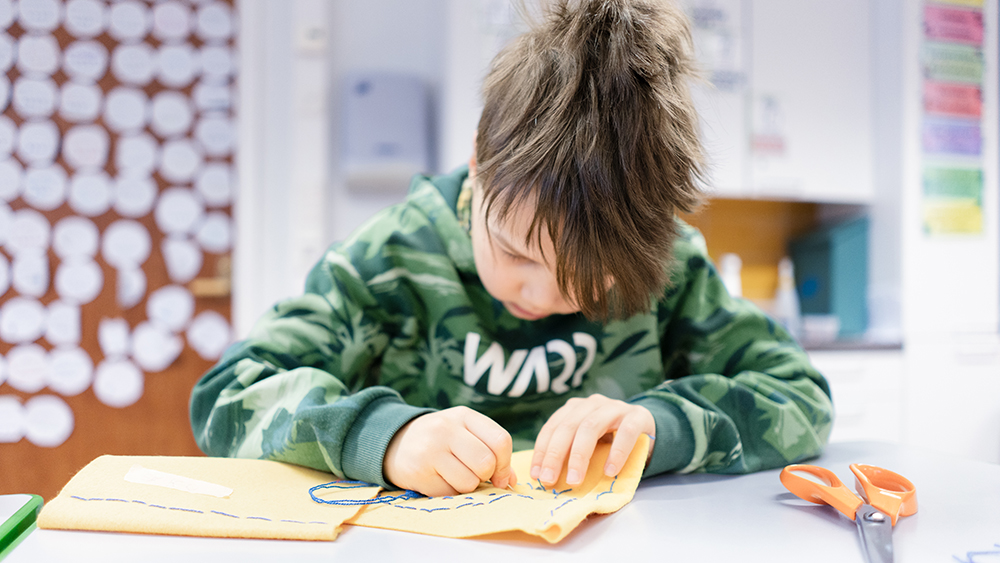
Under the leadership of the Ministry of Education and Culture, a vision for the comprehensive school of the future has been drawn up. Comprehensive Schools 2045: The vision for life estimates that with accelerating technological advances, an ecological crisis and social segregation, the core function of education is being challenged. Schools are not only expected to prepare young people for future changes but also equip them for life and enable them to change the world. The vision was published in Helsinki on 11 February 2026.
A new pilot scheme will offer free open university studies to young people who have not been admitted to a higher education institution. The aim of the scheme is to give young people the opportunity to explore different fields of study and to support a faster transition into higher education.
The 2026 Finnish State Award for Foreign Translators has been presented to the distinguished Danish translator Siri Nordborg Møller (b. 1981), whose work has greatly broadened the international visibility of Finnish literature. The EUR 15,000 award has been granted annually since 1975 by the Ministry of Education and Culture based on a proposal from FILI – Finnish Literature Exchange.
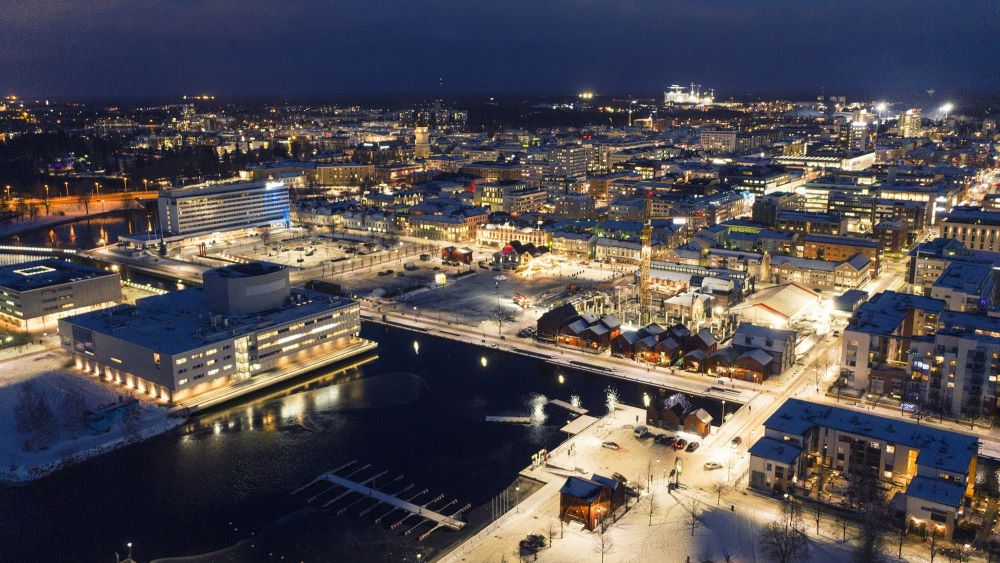
The European Capital of Culture year in Oulu begins with a three-day Opening Festival starting on Friday, 16 January. The programme features nearly 200 events, offering a diverse range of experiences – most of them free of charge and open to people of all ages. Throughout the year, Oulu will be alive with cultural events, performances and exhibitions.
The Ministry of Education and Culture is responsible for the development of education, science, cultural, sport and youth policies. The administrative branch of the Ministry of Education and Culture comprises 13 agencies, including Finnish National Agency for Education, Academy of Finland and Arts Promotion Centre Finland.
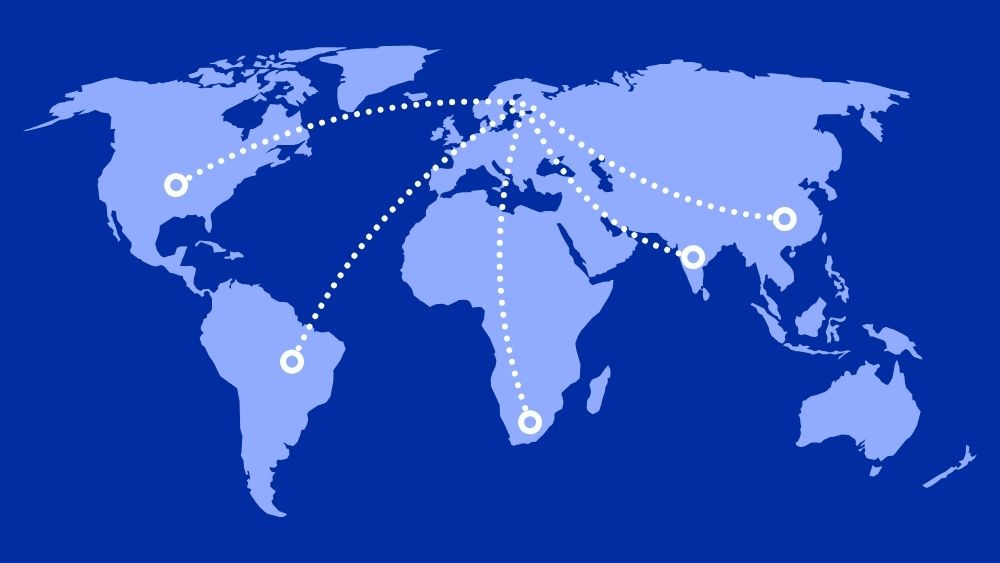
In international affairs, the Ministry participates in the work of major international organisations and regional councils, implements programmes and initiatives nationally and supports cultural cooperations and expatriate activities.