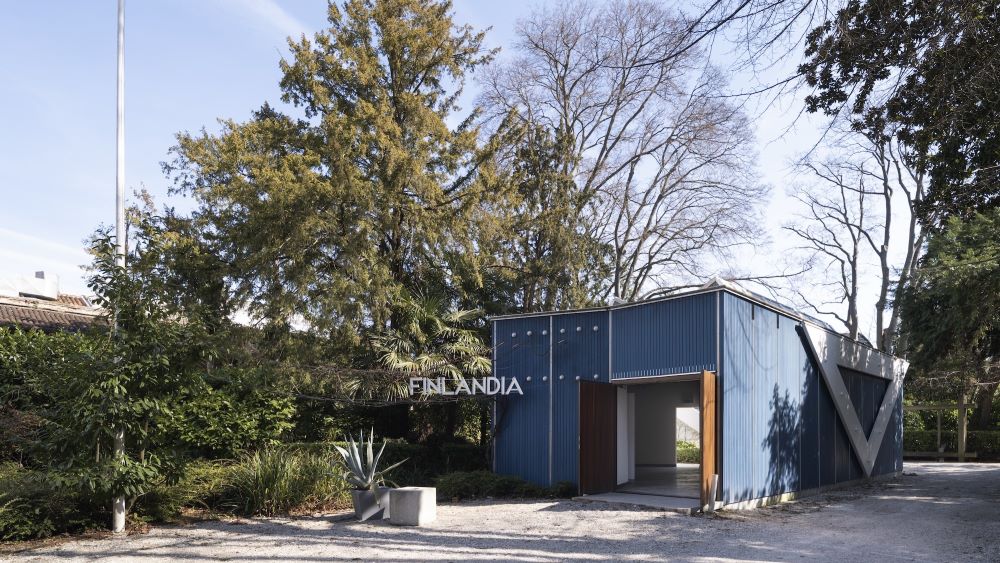
Finland will refrain from participating in the Venice Biennale at the political level if Russia takes part in the Art Exhibition. Participation will be maintained at the level of public officials. Finland emphasises its backing of Ukraine and its commitment to European cooperation.
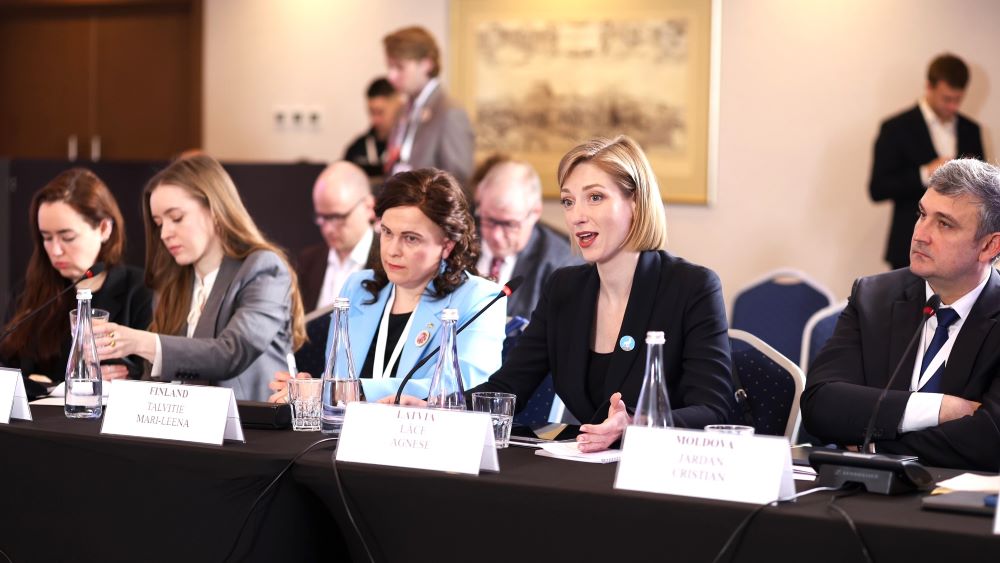
Minister of Science and Culture Mari-Leena Talvitie visited Ukraine from 29 to 31 March. In Lviv, she took part, at Ukraine’s invitation, in a meeting on culture that examined the state of Ukrainian culture, the protection of cultural heritage and international cooperation including practical support measures. During the visit the Minister held one-to-one discussions with Deputy Prime Minister for Humanitarian Policy of Ukraine – Minister of Culture of Ukraine Tetyana Berezhna and Lithuania’s Minister of Culture Vaida Aleknavičienė.
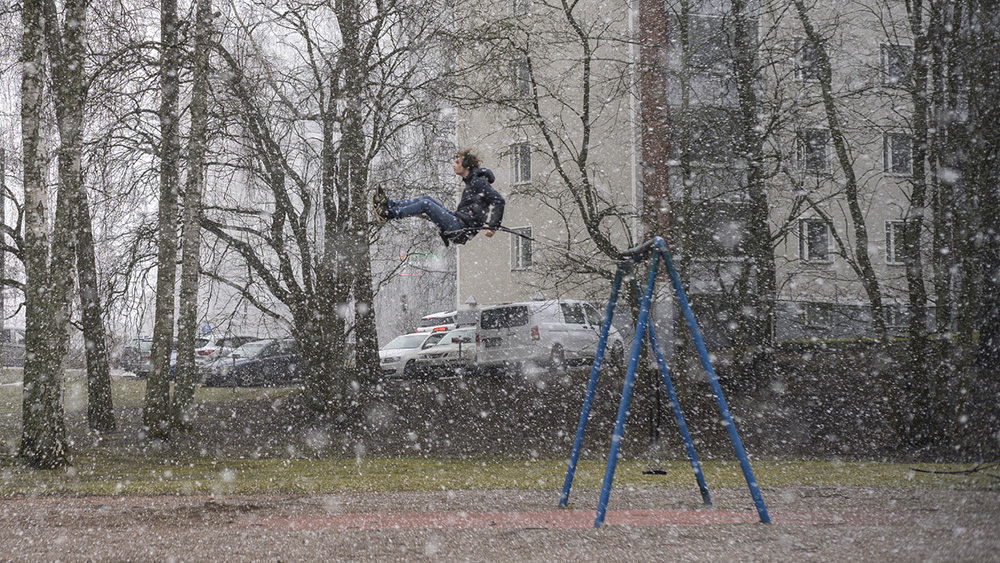
The final report of the expert group appointed by the Ministry of Education and Culture examines the decline in young people’s confidence in the future. The group presents 36 recommendations to improve the situation. The final report was submitted to the Minister of Youth, Sport and Physical Activity Mika Poutala on Wednesday, 25 March 2026.
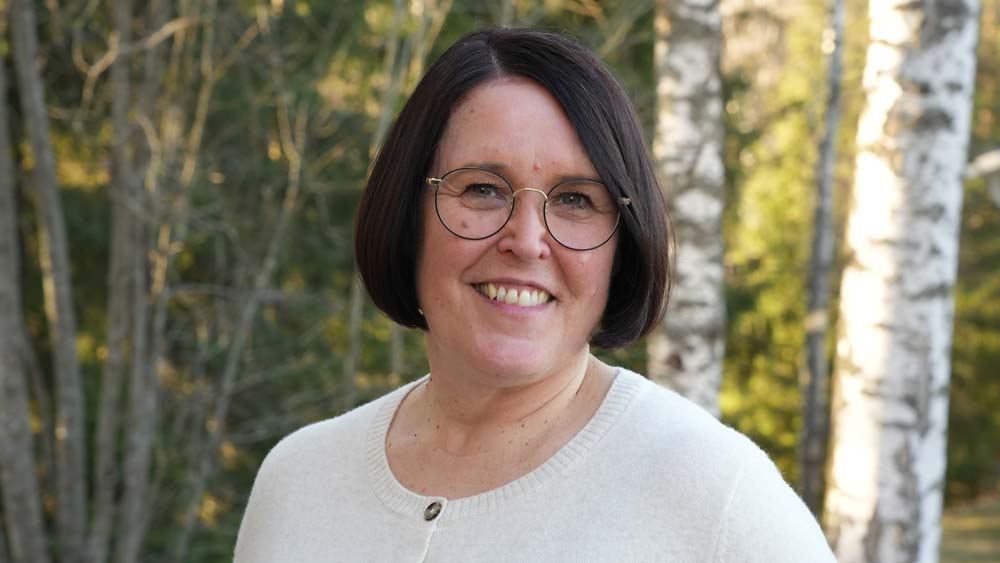
Riikka Pellinen, PhD., has been appointed as an expert in higher education and science policy at the Embassy of Finland in Seoul. Her three-year term begins on 1 August 2026. With this appointment, the Team Finland Knowledge network’s geographical scope is extended to South Korea.
Comments on the draft vision for higher education and research can be submitted on the public consultation website until 15 April. Both organisations and private individuals can take part.
The Ministry of Education and Culture is responsible for the development of education, science, cultural, sport and youth policies. The administrative branch of the Ministry of Education and Culture comprises 13 agencies, including Finnish National Agency for Education, Academy of Finland and Arts Promotion Centre Finland.
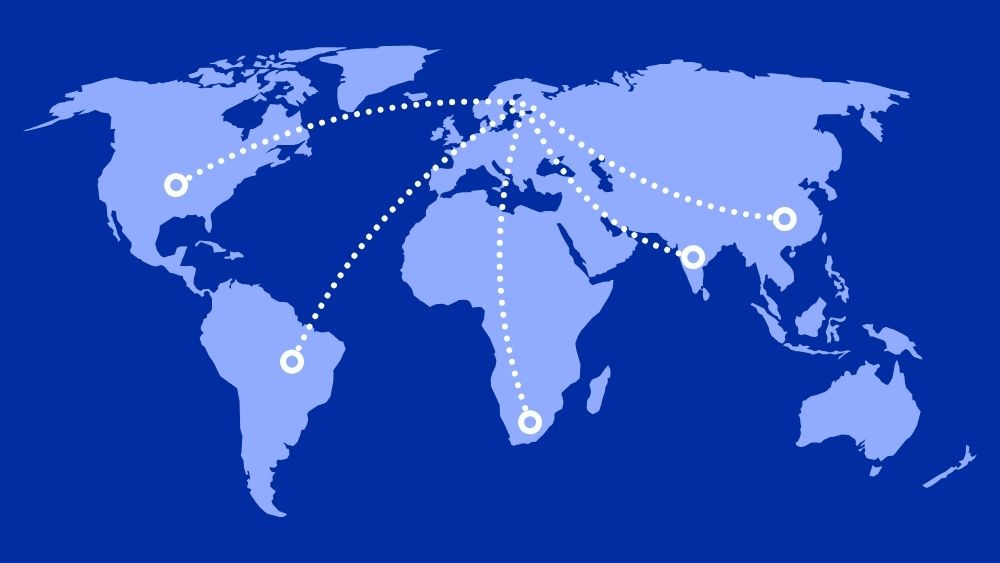
In international affairs, the Ministry participates in the work of major international organisations and regional councils, implements programmes and initiatives nationally and supports cultural cooperations and expatriate activities.